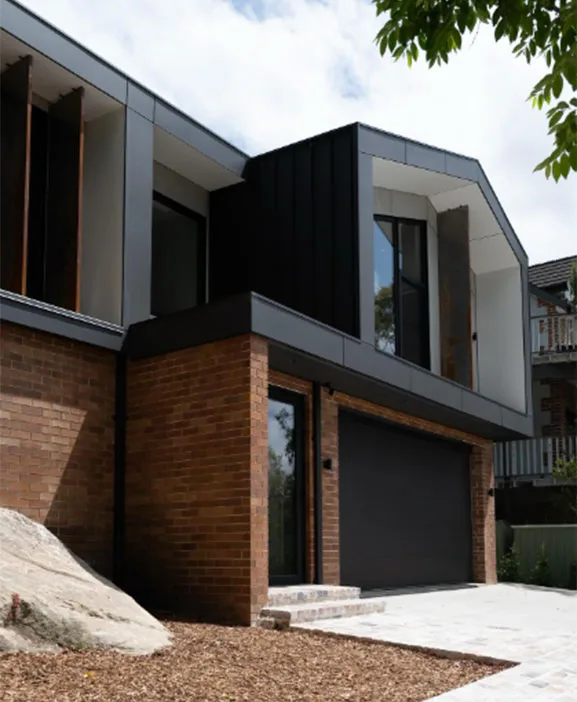
Imagine a home that stays warm during chilly winters, comfortable throughout summer, and filled with fresh, clean air—all while using significantly less energy for heating and cooling.
That’s the goal of Passive House, an internationally recognised building standard that focuses on energy efficiency, comfort, and indoor air quality.
As more Australian homeowners and builders embrace sustainable construction, Passive House design is becoming an increasingly attractive option.
But there’s one essential component that makes these highly efficient buildings work: mechanical ventilation.
What Is Passive House?
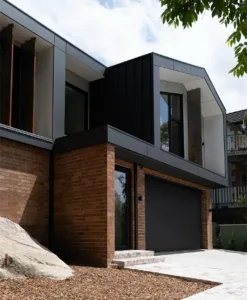
Passive House, also known as Passivhaus, is a high-performance building standard designed to dramatically reduce the energy required to heat and cool a property.
Unlike conventional homes, which can lose significant amounts of energy through air leaks, poorly insulated walls, and inefficient windows, Passive House buildings are designed to minimise unwanted heat transfer.
The standard focuses on five key principles:
- High-quality insulation to reduce heat loss and heat gain.
- Airtight construction to prevent uncontrolled air leakage.
- High-performance windows and doors to improve thermal efficiency.
- Thermal bridge reduction to minimise unwanted heat transfer through the building structure.
- Mechanical ventilation with heat recovery to provide fresh air efficiently.
When these elements work together, they create a building that maintains comfortable indoor conditions with much lower heating and cooling energy demand.
Why Is Ventilation Essential in a Passive House?
One of the defining features of a Passive House is its exceptional airtightness.
In conventional homes, fresh air can enter through gaps around windows, doors, and building materials. However, these uncontrolled air leaks also allow valuable heating and cooling energy to escape.
Passive House construction significantly reduces these gaps.
While this improves energy efficiency, it also means that fresh air needs to be supplied in a controlled and reliable way.
That’s where mechanical ventilation comes in.
A properly designed ventilation system continuously replaces stale indoor air with fresh outdoor air, helping maintain good indoor air quality without relying on draughts or open windows.
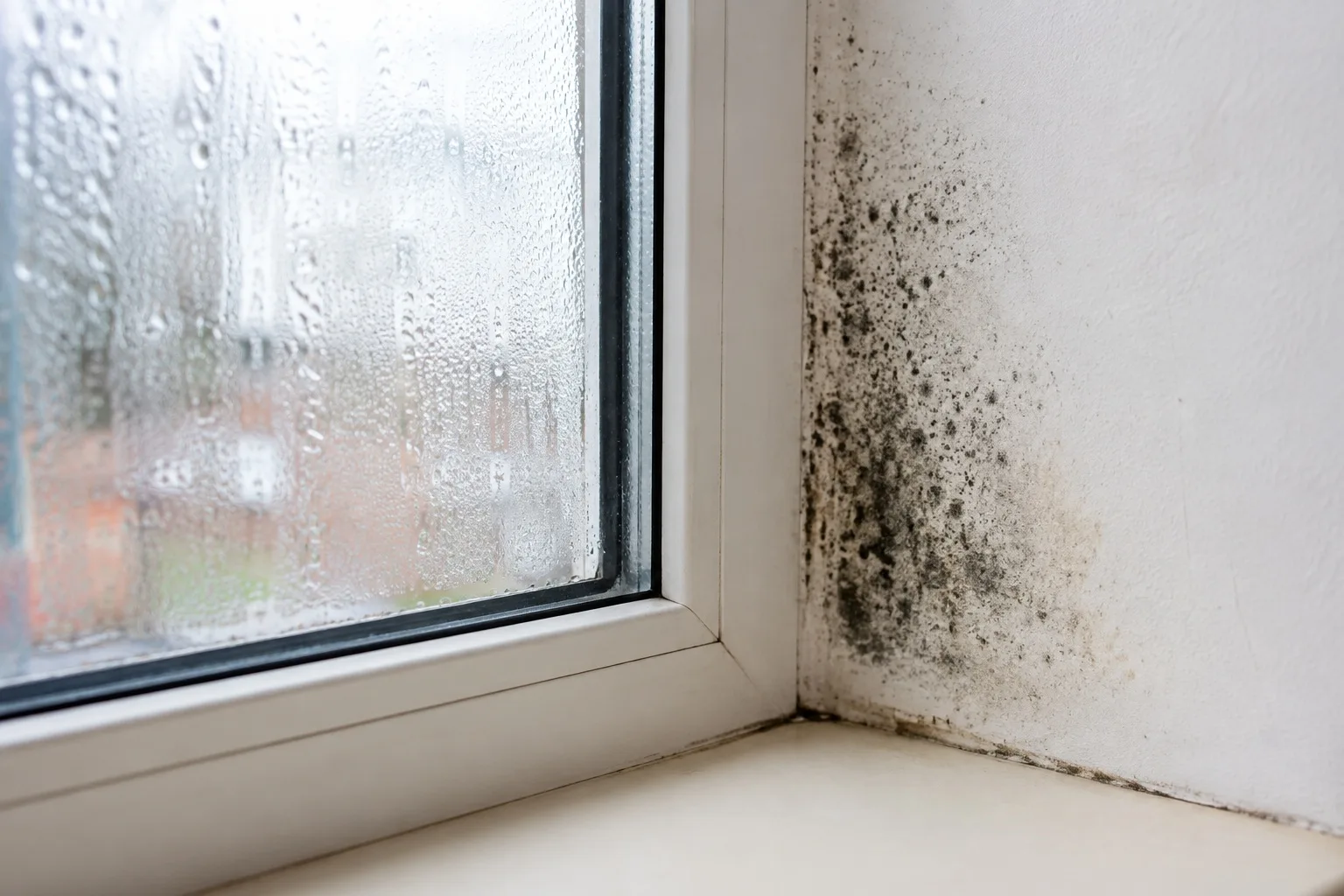
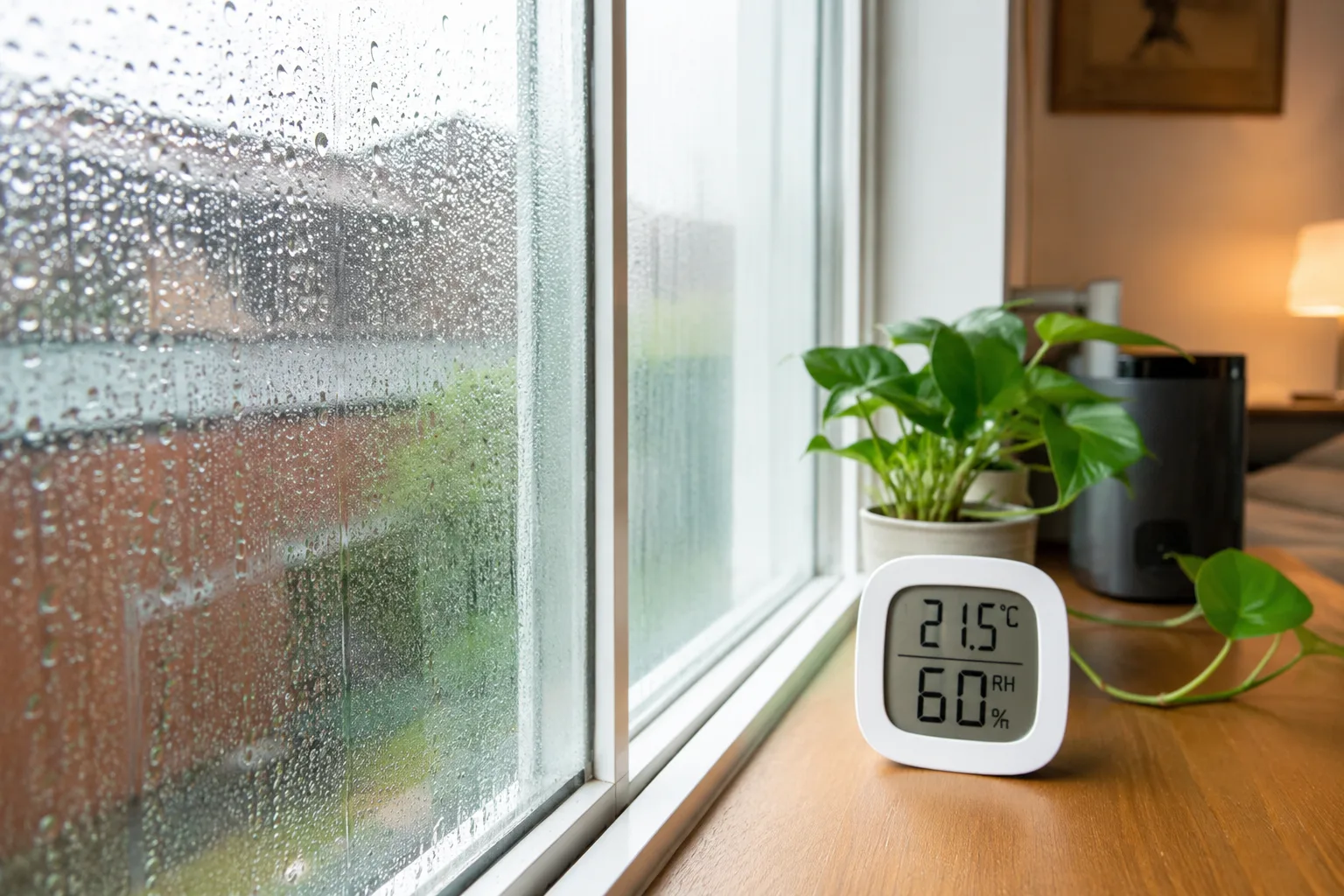
Without effective ventilation, even a highly energy-efficient home could experience problems such as excess humidity, condensation, lingering odours, and poor indoor air quality.
How Does Mechanical Ventilation with Heat Recovery Work?
Mechanical Ventilation with Heat Recovery, commonly called MVHR, is widely used in Passive House buildings.
The system supplies filtered fresh air to living spaces and bedrooms while extracting stale, moisture-laden air from bathrooms, kitchens, and utility areas.
Before the outgoing air leaves the building, it passes through a heat exchanger.
During colder weather, much of the heat from the outgoing air is transferred to the incoming fresh air without the two air streams normally mixing.
This helps maintain indoor comfort while reducing the energy needed for heating.
Modern systems may also include summer bypass features to help manage indoor conditions during warmer weather.
The key benefits of MVHR include:
- Continuous fresh air: A reliable supply of outdoor air throughout the home.
- Energy efficiency: Reduced ventilation-related heat loss.
- Moisture management: Helps remove humidity generated by everyday activities.
- Improved comfort: Less reliance on uncontrolled draughts for ventilation.
Filtered incoming air: Helps reduce the entry of certain outdoor particles, depending on filter selection and maintenance.
Can You Still Open Windows in a Passive House?
Absolutely.
A common misconception is that Passive House buildings must remain completely sealed at all times.
In reality, occupants can open windows whenever they choose.
The difference is that a Passive House doesn’t depend on open windows for its everyday ventilation needs.
Mechanical ventilation provides consistent fresh air even when windows are closed, which can be particularly beneficial during cold weather or when outdoor conditions are less comfortable.
The Long-Term Benefits of Passive House Ventilation
Investing in a well-designed ventilation system can provide benefits beyond meeting building performance requirements.
Healthier Indoor Environments
Controlled ventilation helps dilute indoor pollutants, remove stale air, and manage excess moisture, supporting better indoor air quality.
Greater Energy Efficiency
Heat recovery reduces the amount of energy lost through ventilation, helping the building maintain comfortable temperatures more efficiently.
Reduced Condensation Risk
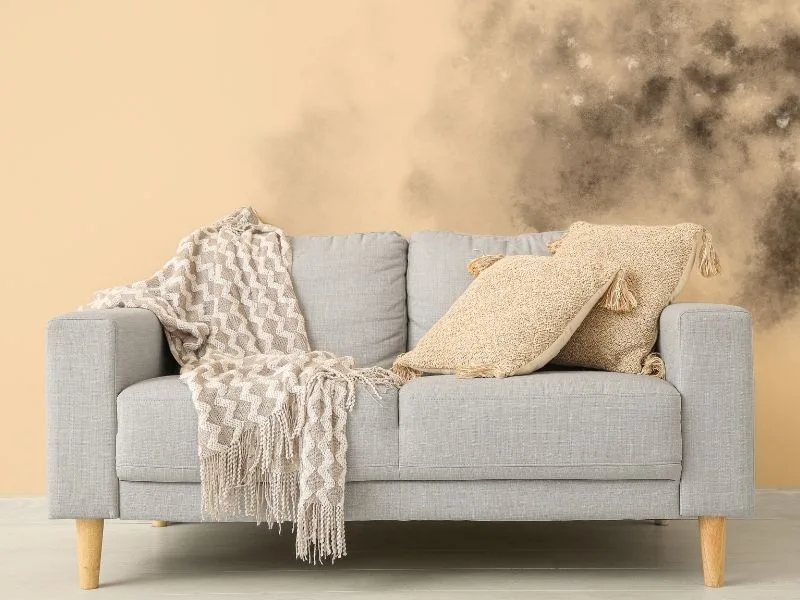
By managing indoor humidity, effective ventilation can help reduce conditions that contribute to condensation and mould growth.
Year-Round Comfort
A consistent supply of fresh air, combined with a high-performance building envelope, supports a comfortable indoor environment throughout the seasons.
Long-Term Building Performance
Good ventilation helps manage moisture levels, contributing to the protection of building materials, interior finishes, and the overall condition of the property.
Why Professional Ventilation Design Matters
Passive House projects require careful attention to detail.
Even high-quality ventilation equipment may underperform if it is incorrectly sized, poorly installed, or not properly commissioned.
Factors such as airflow balancing, ductwork design, heat recovery efficiency, noise levels, and maintenance access all influence performance.
Working with knowledgeable ventilation specialists early in the project helps ensure that the selected system supports the building’s energy efficiency and indoor air quality goals.
Building a More Sustainable Future with Zenith Ventilation
Passive House demonstrates how thoughtful building design can create homes that are more comfortable, energy-efficient, and better equipped to maintain good indoor air quality.
And while insulation and airtightness are essential, mechanical ventilation is what makes controlled fresh-air delivery possible in these highly efficient buildings.
Whether you’re planning a new Passive House, developing a sustainable residential project, or looking to improve ventilation in an existing building, choosing the right system is an important part of achieving long-term performance.
Planning a Passive House or Energy-Efficient Home?
At Zenith Ventilation, we understand the role that effective ventilation plays in modern, high-performance buildings.
Contact Zenith Ventilation today to discuss your project and explore ventilation solutions designed to support energy efficiency, comfort, and healthier indoor environments.