
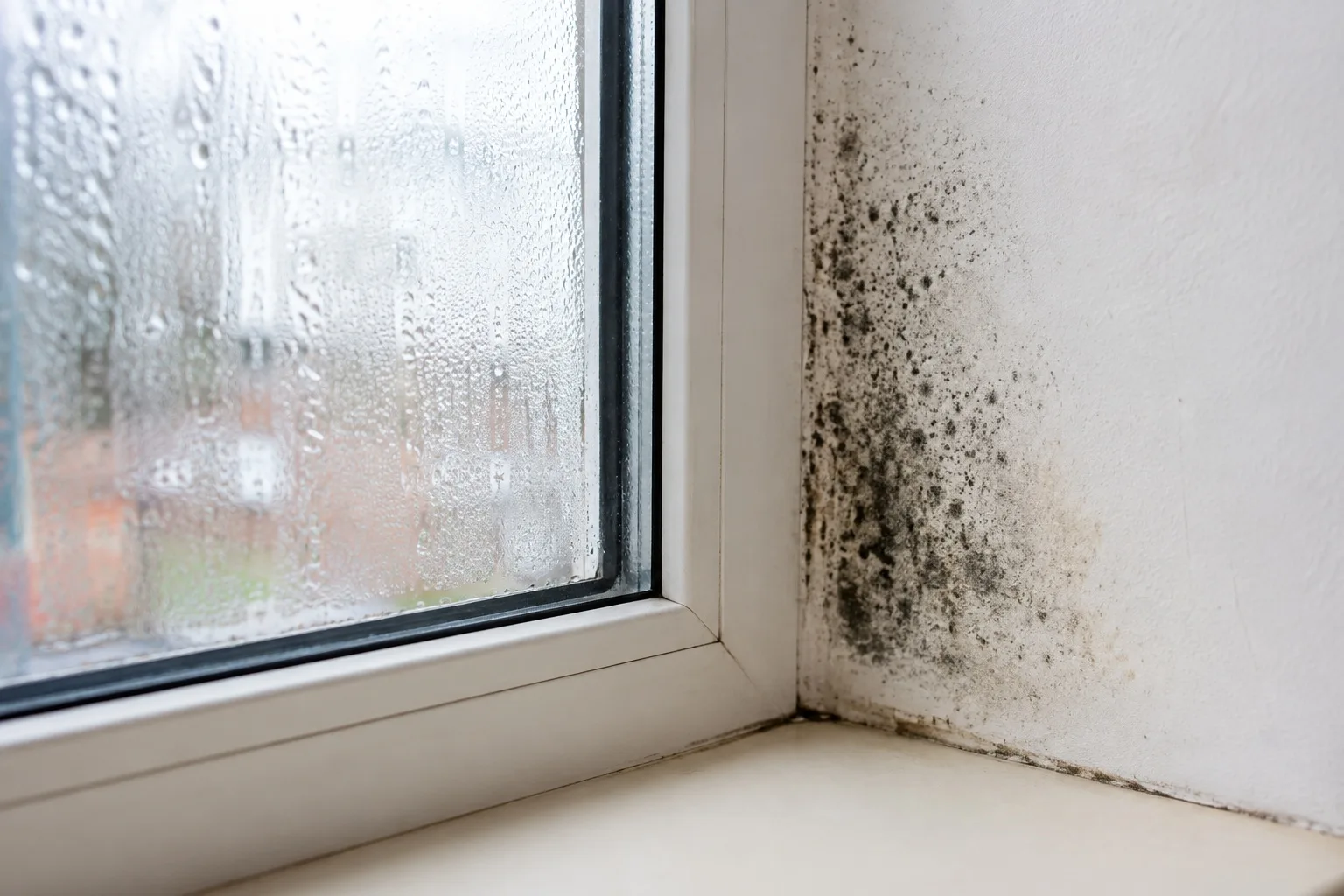
Ventilation problems rarely announce themselves all at once. They tend to show up gradually—a bit of condensation here, a musty smell there—until one day you’re dealing with mould on the ceiling or a room that never quite feels comfortable.
The good news is that most ventilation issues give off warning signs long before they become serious. Knowing what to look for can help you act early, protect your property, and avoid costly repairs down the line.
1. Condensation on Windows and Walls
A little condensation on a cold morning is normal. Persistent condensation is not.
If you’re regularly wiping moisture off windows, or noticing damp patches on walls and ceilings—especially in bathrooms, kitchens, and bedrooms—it’s usually a sign that humid air isn’t being removed fast enough. Over time, this trapped moisture has nowhere to go but into your walls, window frames, and furnishings.
What to do: Check that extract fans are working properly and running long enough after showers or cooking. If condensation persists even with fans in use, the system itself may be undersized or poorly positioned for the space.
2. Musty or Stale Odours
A room that always smells slightly damp or stuffy, even after cleaning, is often telling you that air simply isn’t moving through it.
Stale air traps not just odours but also pollutants, allergens, and excess humidity. Rooms with little or no ventilation—home offices, box rooms, basements—are especially prone to this.
What to do: Look at whether the room has any dedicated ventilation at all. Some spaces are overlooked during initial building design and may need a small extract fan or trickle vent retrofitted.
3. Mould Growth in Bathrooms, Kitchens, or Corners
Mould needs moisture to grow, and persistent mould—particularly in corners, around window frames, or on bathroom ceilings—is one of the clearest signs of a ventilation shortfall.
Left untreated, mould doesn’t just look unpleasant. It can affect indoor air quality and, in some cases, contribute to respiratory irritation for occupants.
What to do: Cleaning the mould treats the symptom, not the cause. If it keeps returning, the underlying humidity problem needs to be addressed with better extraction or a whole-property ventilation upgrade.
4. Rooms That Feel Stuffy or Overheat Easily
As homes and commercial buildings become more airtight for energy efficiency, a common side effect is rooms that heat up quickly and feel stuffy, particularly with several people or appliances in use.
This is a sign that fresh air isn’t being introduced fast enough to balance out heat, moisture, and CO2 build-up from occupants and equipment.
What to do: Demand-controlled ventilation, which adjusts airflow based on occupancy or air quality, can help resolve this without wasting energy when rooms are empty.
5. Rising Energy Bills Without a Clear Cause
It might seem counterintuitive, but poor ventilation can actually increase energy costs. Occupants often compensate for stuffy, humid, or uncomfortable rooms by opening windows—undoing the benefits of insulation and airtightness—or by running heating and cooling systems harder than necessary.
What to do: A heat recovery ventilation system (MVHR) can provide fresh air while retaining much of the heat that would otherwise be lost, striking a better balance between comfort and efficiency.
Don’t Wait for Small Signs to Become Big Problems
Ventilation issues tend to compound over time. What starts as light condensation can, left unaddressed, lead to mould, damaged finishes, and a less healthy indoor environment.
If any of these signs sound familiar, it’s worth having your ventilation assessed rather than treating each symptom individually. A proper assessment looks at the property as a whole—airtightness, existing extraction, room usage, and occupancy—to identify where improvements will make the biggest difference.
Concerned about ventilation in your property?
Speak with our ventilation specialists for a professional assessment and a solution tailored to your building’s needs.