Ventilation in NSW: A Growing Building Challenge
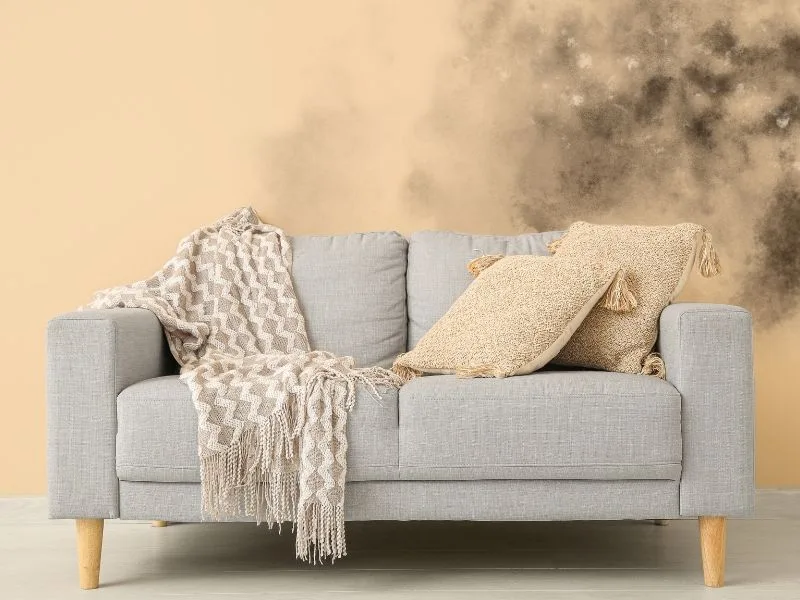
Across New South Wales, we’re seeing a sharp increase in moisture-related building issues — particularly in coastal regions, high-density developments, and newer airtight homes. From Sydney to Newcastle, Wollongong to regional NSW, many properties are experiencing persistent window condensation, mould in bedrooms and wardrobes, damp subfloors, stale indoor air, and excess humidity during cooler months. In most cases, the root cause is not rising damp or roof leaks — it’s inadequate ventilation.
Why NSW Homes Are Especially Vulnerable
Coastal Humidity
Large parts of NSW sit along the coast, where ambient humidity levels remain elevated for much of the year. Even in cooler months, outdoor air moisture can infiltrate poorly ventilated buildings and become trapped indoors.
Modern Airtight Construction
New builds are increasingly energy-efficient and tightly sealed. While this reduces heat loss, it also prevents natural airflow. Without mechanical ventilation, moisture generated from showers, cooking, indoor laundry drying, occupant breathing and gas appliances accumulates quickly — often pushing humidity above 60% and creating ideal conditions for mould growth.
Temperature Fluctuations
NSW experiences warm days and cool nights, particularly in autumn and winter. These fluctuations drive condensation cycles inside homes — on windows, external walls, ceiling cavities and concrete slabs. Over time, repeated condensation leads to structural degradation and indoor air quality issues.
The Cost of Poor Ventilation
Inadequate ventilation can result in mould remediation expenses, timber rot, rusted structural components, insulation damage, increased heating and cooling costs, and reduced property value. Ventilation is not simply about comfort — it is about asset protection.
The Role of Professional Installation
A properly designed and installed ventilation system provides continuous controlled airflow, reduces excess indoor humidity, introduces fresh air without compromising energy efficiency, improves indoor air quality, and protects structural elements. System design must consider property size, building envelope tightness, climate zone, occupancy load, and subfloor and roof cavity conditions — generic or incorrectly sized systems often fail to resolve the problem.
Final Thoughts
Ventilation is no longer optional in modern NSW homes — it is essential infrastructure. With increasing building airtightness and persistent humidity challenges, professional ventilation installation is one of the most effective ways to prevent mould, improve indoor comfort, protect structural assets, and maintain healthy living conditions.